Ledge vs FloQast
Whether you’re using FloQast or still managing the close in spreadsheets, Ledge automates what other platforms only organize. AI agents reconcile accounts, prepare working papers, and draft journal entries and flux automatically, so your close runs itself.








.png)

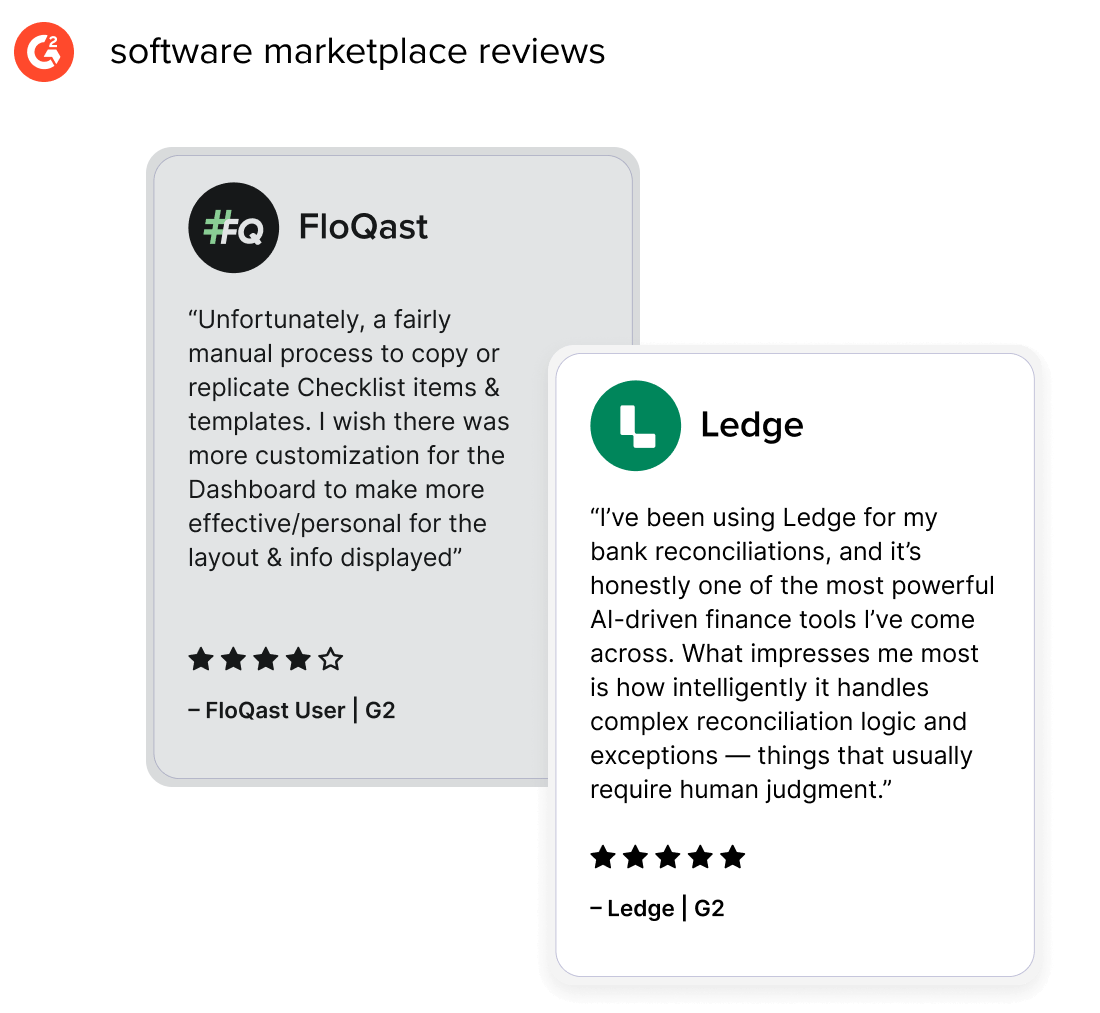
FloQast helps you organize the work, not finish it
Legacy close management software like FloQast enhances team and project organization. It helps teams track tasks and store reconciliations. But when it comes to actually doing the work — reconciling accounts, preparing working papers, or drafting journal entries — teams still rely on spreadsheets and manual effort.
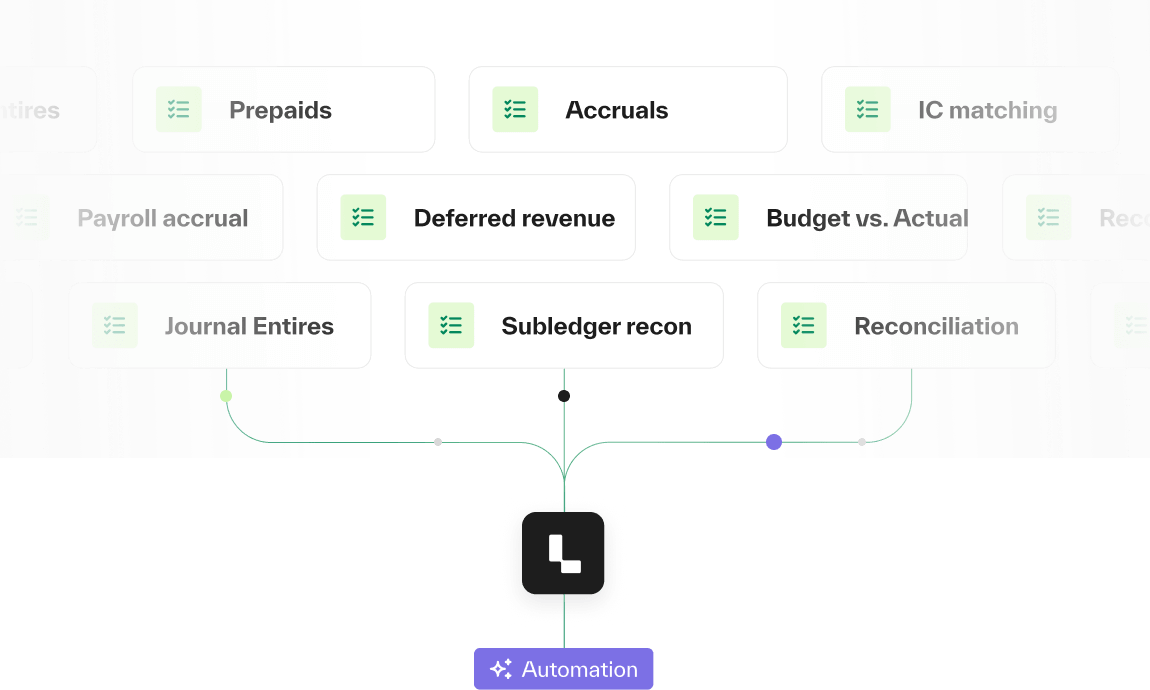
Why legacy close tools like FloQast slow the close every month


With Ledge, AI agents perform the close, not just track or report it
Why it matters: Because most close management tools, including FloQast, still depend on humans to perform the actual accounting work.

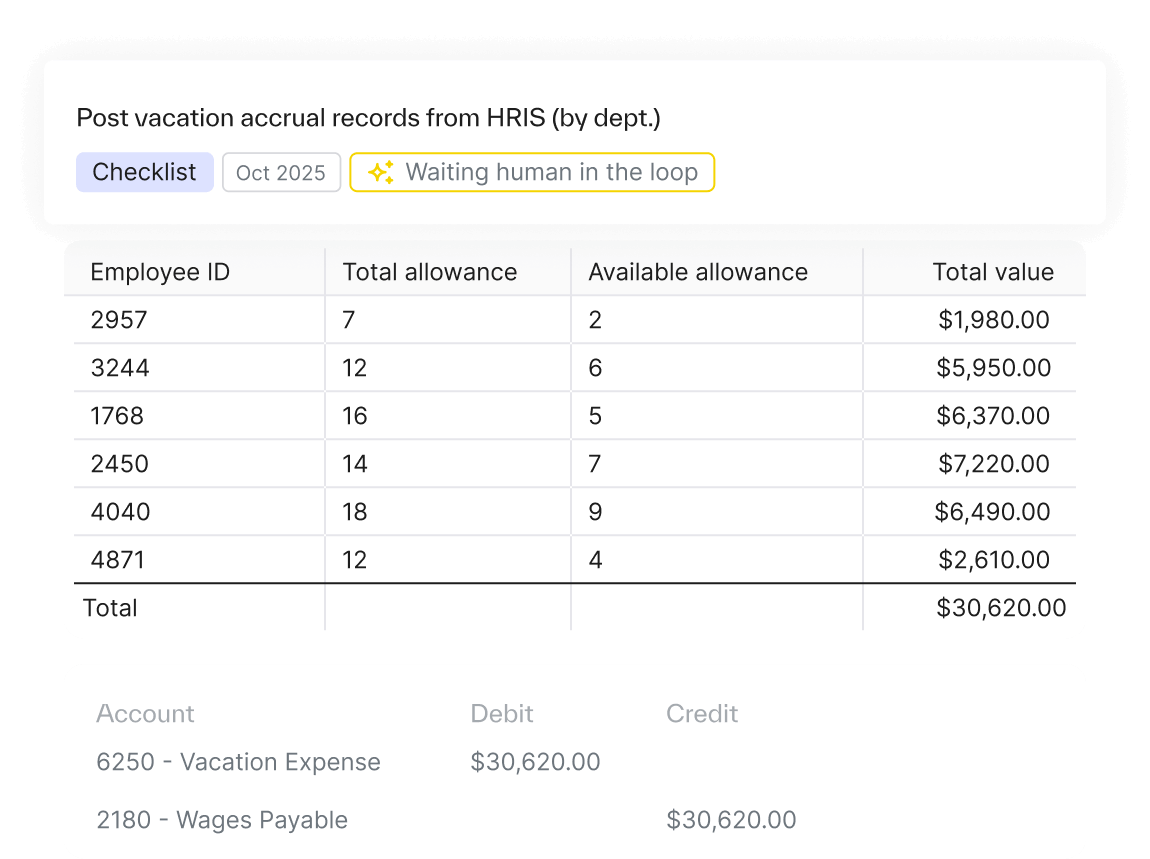
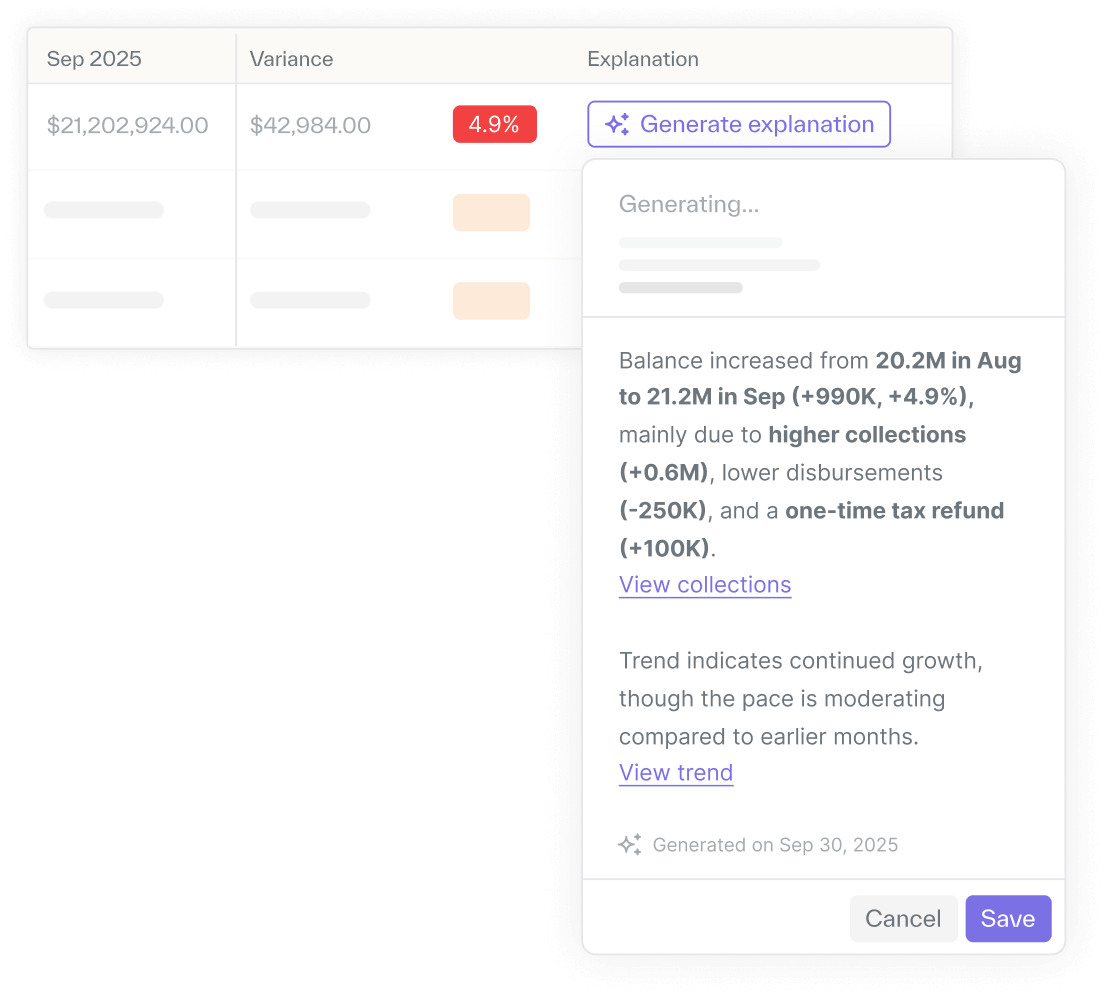

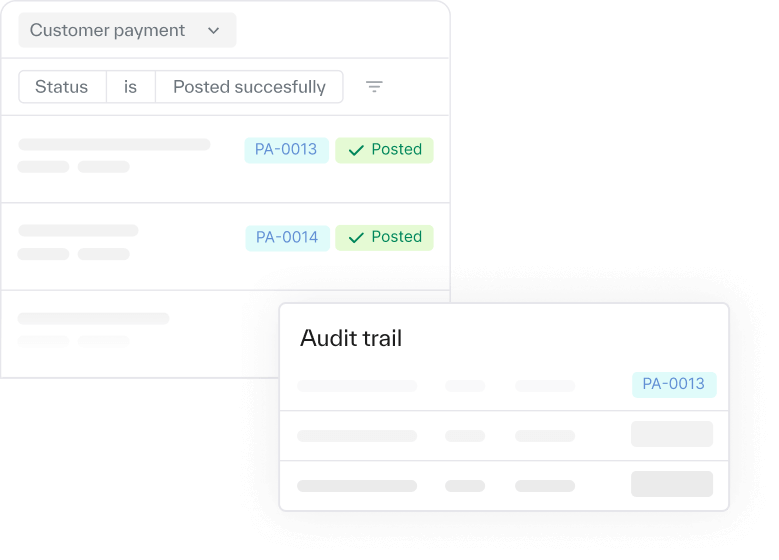
FloQast vs. Ledge: Legacy architecture vs. AI-native automation

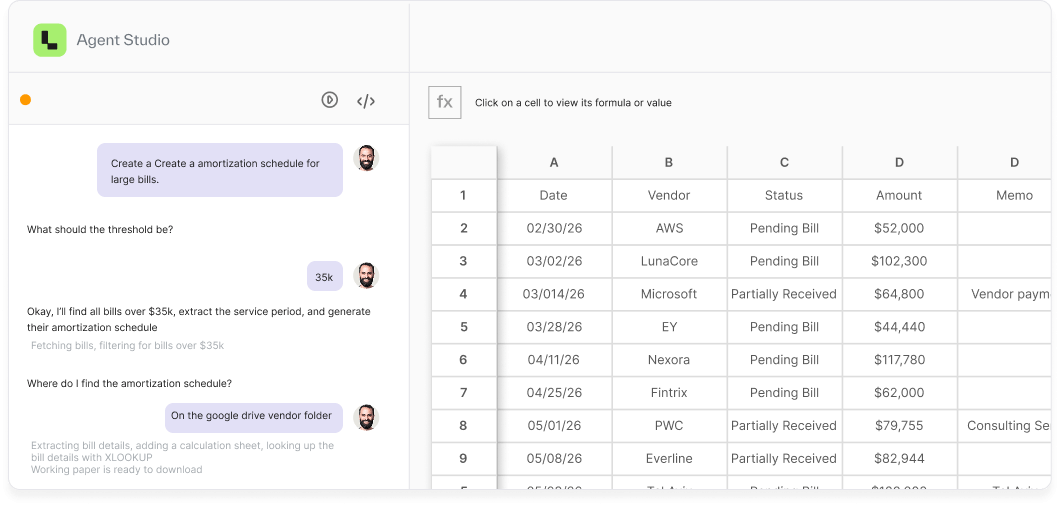
Ledge: one system where agents do the work, and accountants stay in control
Legacy close management software like FloQast enhances team and project organization. It helps teams track tasks and store reconciliations. But when it comes to actually doing the work — reconciling accounts, preparing working papers, or drafting journal entries — teams still rely on spreadsheets and manual effort.
How Ledge and FloQast handle day-to-day accounting work
FAQ


FloQast automates parts of the close, but most of its automation stops at task tracking and basic reconciliations. It can help organize work and match balances, but accountants still have to perform reconciliations manually, prepare working papers in Excel, and draft journal entries themselves. Ledge automates the entire process end-to-end.
AI agents continuously reconcile at both account and transaction level, generate working papers with live formulas, draft and post journal entries, and perform flux analysis — so the close actually moves forward without manual work.
Ledge fully replaces FloQast.
It includes the same core capabilities — checklists, documentation, and audit trails, but adds automation that FloQast lacks, such as continuous account and transaction-level reconciliations, automated journal entries, flux, and formula-driven Excel workpapers.
Most teams switch to Ledge to eliminate the manual effort that remains even after adopting FloQast.
Ledge automates:
- Account and transaction-level reconciliations
- Journal entry preparation and posting
- Working paper generation in native Excel with live formulas
- Flux and variance analysis
- Automatic checklist updates and task dependencies
FloQast organizes these workflows and offers some automations, but still relies heavily on manual execution by the team.
FloQast implementations usually require weeks of setup and customer success involvement.Ledge connects in hours – you import your existing checklist, link NetSuite (or another ERP), and agents start working immediately.
Yes. Ledge is designed for modern mid-market and small enterprise finance teams that have outgrown spreadsheets or basic close tools. It’s ideal for companies with several entities, multiple systems, or a few team members collaborating on the close — especially in SaaS and other fast-growing sectors.
Ledge automates reconciliations, journal entries, flux, and working papers across sources while keeping everything transparent and auditable, helping teams shave days off their close without adding headcount.
Yes.
Ledge offers continuous, bi-directional integration with NetSuite and connects directly to banks, payment processors, data warehouses, HR platforms, and other systems.
FloQast’s ERP integrations typically require manual mapping and periodic updates. FloQast does not have live integrations with banks, payment processors, or other systems.
Every reconciliation, working paper, and journal entry generated by Ledge ties directly to source data.
Because outputs are built in native Excel with live formulas, accountants can trace every calculation, verify logic, and maintain a complete audit trail — unlike static number exports from FloQast.